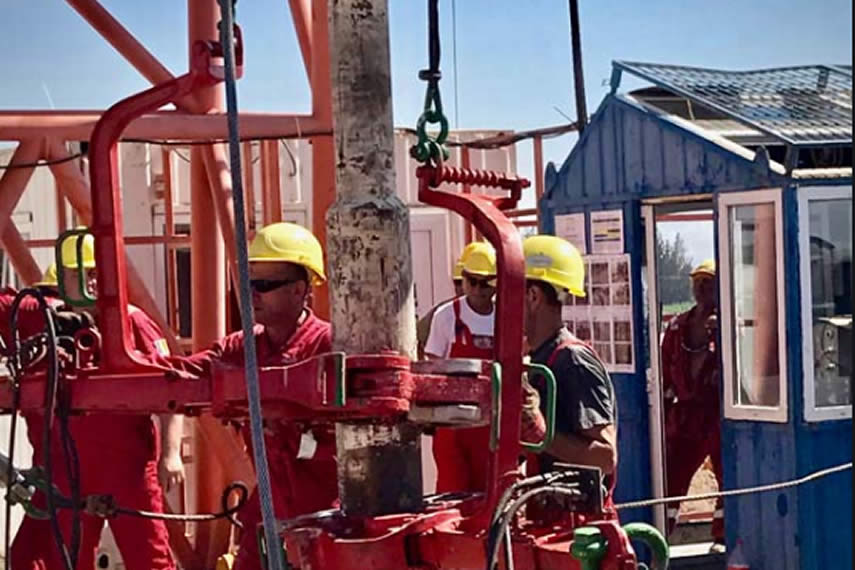


Oil and Gas
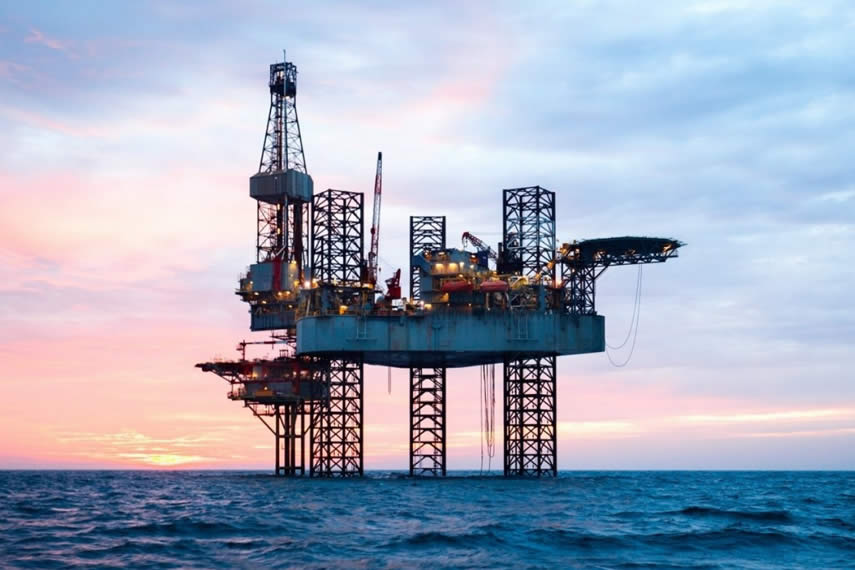 The oil and gas industry is one of the largest sectors in the world in terms of dollar value, generating an estimated $3.3 trillion in revenue annually.
Oil is crucial to the global economic framework, especially for its largest producers: the United States, Saudi Arabia, Russia, Canada and China.
The oil and gas industry is one of the largest sectors in the world in terms of dollar value, generating an estimated $3.3 trillion in revenue annually.
Oil is crucial to the global economic framework, especially for its largest producers: the United States, Saudi Arabia, Russia, Canada and China.
Investors looking to enter the oil and gas industry can quickly be overwhelmed by the complex jargon and unique metrics used throughout the sector. This introduction is designed to help anyone understand the fundamentals of companies involved in the oil and gas sector by explaining key concepts and the standards of measurement.
About Hydrocarbons
Hydrocarbons make up crude oil and natural gas, which are naturally occurring substances found in rock in the earth's crust. These organic raw materials are created by the compression of the remains of plants and animals in sedimentary rocks such as sandstone, limestone, and shale.
The sedimentary rock itself is a product of deposits in ancient oceans and other bodies of water. As layers of sediment were deposited on the ocean floor, the decaying remains of plants and animals were integrated into the forming rock. The organic material eventually transforms into oil and gas after being exposed to specific temperatures and pressure ranges deep within the earth's crust.
Oil and gas are less dense than water, so they migrate through porous sedimentary rock toward the earth's surface. When the hydrocarbons are trapped beneath less-porous cap rock, an oil and gas reservoir is formed. These reservoirs of oil and gas represent our sources of crude oil and gas.
Hydrocarbons are brought to the surface by drilling through the cap rock and into the reservoir. Once the drill bit reaches the reservoir, a productive oil or gas well can be constructed and the hydrocarbons can be pumped to the surface. When the drilling activity does not find commercially viable quantities of hydrocarbons, the well is classified as a dry hole, which is typically plugged and abandoned.